
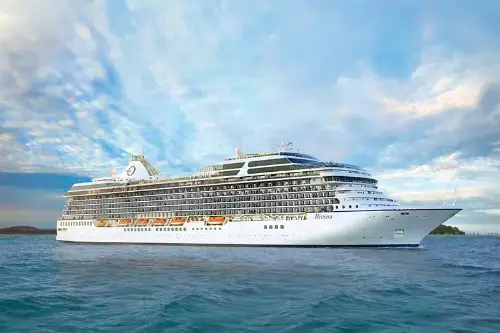
Sea cruise · 20.04.2026 – 25.05.2026 · 35 nights
Beyond the bering strait
Route and cruise information
Premium- Singapore
- Ho Chi Minh
- Ho Chi Minh
- Cam Ranh
- Limbe
- Limbe
- Taipei
- Naha
- Kochi
- Kyoto
- Kyoto
- Yokohama (Tokyo)
- Yokohama (Tokyo)
- Yokohama (Tokyo)
- Aomori
- Hakodate, Hokkaidoo
- Kushiro
- Kodiak
- Seward
- Sitka
- Wrangell
- Prince Rupert
- Seattle, Washington
| Date | Port | Arrival | Departure |
|---|---|---|---|
| 20.04.2026 |
Singapore
Singapore
|
— | 17:00 |
| 21.04.2026 |
Day at sea
|
— | — |
| 22.04.2026 |
Ho Chi Minh
Vietnam
|
08:00 | — |
| 23.04.2026 |
Ho Chi Minh
Vietnam
|
— | 16:00 |
| 24.04.2026 |
Cam Ranh
Vietnam
|
07:30 | 16:00 |
| 25.04.2026 |
Day at sea
|
— | — |
| 26.04.2026 |
Limbe
Cameroon
|
10:30 | — |
| 27.04.2026 |
Limbe
Cameroon
|
— | 20:00 |
| 28.04.2026 |
Day at sea
|
— | — |
| 29.04.2026 |
Taipei
Taiwan
|
07:00 | 14:30 |
| 30.04.2026 |
Naha
Japan
|
12:00 | 20:00 |
| 01.05.2026 |
Day at sea
|
— | — |
| 02.05.2026 |
Kochi
India
|
08:00 | 19:00 |
| 03.05.2026 |
Kyoto
Japan
|
08:00 | — |
| 04.05.2026 |
Kyoto
Japan
|
— | 14:00 |
| 05.05.2026 |
Yokohama (Tokyo)
Japan
|
16:00 | — |
| 06.05.2026 |
Yokohama (Tokyo)
Japan
|
— | — |
| 07.05.2026 |
Yokohama (Tokyo)
Japan
|
— | 16:00 |
| 08.05.2026 |
Day at sea
|
— | — |
| 09.05.2026 |
Aomori
Japan
|
09:00 | 23:00 |
| 10.05.2026 |
Hakodate, Hokkaidoo
Japan
|
07:00 | 17:30 |
| 11.05.2026 |
Kushiro
Japan
|
09:00 | 19:00 |
| 12.05.2026 |
Day at sea
|
— | — |
| 13.05.2026 |
Day at sea
|
— | — |
| 14.05.2026 | — | — | |
| 15.05.2026 |
Day at sea
|
— | — |
| 16.05.2026 |
Day at sea
|
— | — |
| 17.05.2026 |
Day at sea
|
— | — |
| 18.05.2026 |
Kodiak
Alaska
|
07:00 | 15:00 |
| 19.05.2026 |
Seward
Alaska
|
11:30 | 20:00 |
| 20.05.2026 |
Day at sea
|
— | — |
| 21.05.2026 |
Sitka
USA
|
11:30 | 20:00 |
| 22.05.2026 |
Wrangell
Alaska
|
08:00 | 18:00 |
| 23.05.2026 |
Prince Rupert
Canada
|
08:00 | 17:00 |
| 24.05.2026 |
Day at sea
|
— | — |
| 25.05.2026 |
Seattle, Washington
USA
|
06:00 | 17:00 |
-
 Day 1: 17:00
Singapore / Singapore
Сингапур довольно необычный город Азии — это город-государство, которое расположилось на островах в Индийском океане. Его колониальные кварталы, храмы, музеи, великолепны парки, аттракционы, современные небоскребы и крупнейший морской порт, придают городу уникальный колорит и неповторимость. Город получил важное экономическое и политическое значение среди стран Восточной Азии. Все основные достопримечательности сосредоточены в четырех районах города. Основными из них являются: здание Импресс-Плейс-Билдинг, армянская церковь Св. Грегора-Святителя, Концертный зал и театр Виктории, англиканский собор Св. Андрея, католический собор Гуд-Шеферд, здания Парламента, а так же много других памятников архитектуры, дворцов, храмов и просто интересных улиц и кварталов.
-
Day 2:
Day at sea / Sea
-
 Day 3: 08:00
Ho Chi Minh / Vietnam
Ho Chi Minh City, also known by its former name of Saigon is the most populous city in Vietnam with a population of 8.4 million (13 million in the metropolitan area) as of 2017. Located in southeast Vietnam, the metropolis surrounds the Saigon River and covers about 2,061 square kilometres (796 square miles).
Under the name Saigon, it was the capital of French Indochina from 1887 to 1902 and again from 1945 to 1954. Saigon would later become the capital of South Vietnam from 1955 until its fall in 1975. On 2 July 1976, Saigon merged with the surrounding Gia Định Province and was officially renamed Ho Chi Minh City after revolutionary leader Hồ Chí Minh (although the name Sài Gòn is still widely used).
Ho Chi Minh City is the financial centre of Vietnam and is classifed as a Beta+ World City by Globalization and World Cities Research Network. It is home to the Ho Chi Minh City Stock Exchange, the largest stock exchange by total market capitalization in Vietnam and the headquarters of many national and international banks and companies.
Ho Chi Minh City is the most visited city in Vietnam, with 6.3 million visitors in 2017. Many of the city's landmarks which are well known to international visitors include the Bến Thành Market, Ho Chi Minh City Hall, Notre-Dame Cathedral Basilica of Saigon, Independence Palace and the Municipal Theatre. The main passenger airport serving the metropolitan area is Tan Son Nhat International Airport, it is the busiest airport in Vietnam handling 36 million passengers in 2017.
-
Day 4: 16:00
Ho Chi Minh / Vietnam
Ho Chi Minh City, also known by its former name of Saigon is the most populous city in Vietnam with a population of 8.4 million (13 million in the metropolitan area) as of 2017. Located in southeast Vietnam, the metropolis surrounds the Saigon River and covers about 2,061 square kilometres (796 square miles).
Under the name Saigon, it was the capital of French Indochina from 1887 to 1902 and again from 1945 to 1954. Saigon would later become the capital of South Vietnam from 1955 until its fall in 1975. On 2 July 1976, Saigon merged with the surrounding Gia Định Province and was officially renamed Ho Chi Minh City after revolutionary leader Hồ Chí Minh (although the name Sài Gòn is still widely used).
Ho Chi Minh City is the financial centre of Vietnam and is classifed as a Beta+ World City by Globalization and World Cities Research Network. It is home to the Ho Chi Minh City Stock Exchange, the largest stock exchange by total market capitalization in Vietnam and the headquarters of many national and international banks and companies.
Ho Chi Minh City is the most visited city in Vietnam, with 6.3 million visitors in 2017. Many of the city's landmarks which are well known to international visitors include the Bến Thành Market, Ho Chi Minh City Hall, Notre-Dame Cathedral Basilica of Saigon, Independence Palace and the Municipal Theatre. The main passenger airport serving the metropolitan area is Tan Son Nhat International Airport, it is the busiest airport in Vietnam handling 36 million passengers in 2017.
-
Day 5: 07:30–16:00
Cam Ranh / Vietnam
-
Day 6:
Day at sea / Sea
-
 Day 7: 10:30
Limbe / Cameroon
-
Day 8: 20:00
Limbe / Cameroon
-
Day 9:
Day at sea / Sea
-
 Day 10: 07:00–14:30
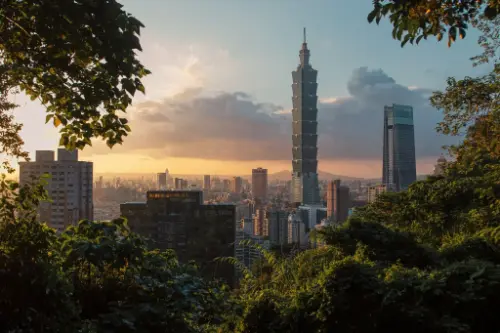
Taipei / Taiwan
Taiwan it is a state in East Asia. It includes the neighbors of the Republic of China and the Philippines to the south. It is not a member of the United Nations.
The island of Taiwan was formerly known as the island of mass migration. The island was annexed in 1683 by the Qing dynasty, the last dynasty. The Qing ceded Taiwan to Japan in 1895 after the Sino-Japanese War. The Republic of China (ROC) was established after the fall of the Qing dynasty. The following is the Japanese surrender to the Allies in 1945; However, it’s not a problem, but it’s not a problem. It has been up to 99% of its de facto territory. The United States of America is the United States of America in the United States of America until 1971, when it’s lost.
-
 Day 11: 12:00–20:00
Naha / Japan
Naha — Gateway to Ryukyu Culture and the Rhythms of Tropical Japan
Naha is the main city on Okinawa Island and the cultural heart of the former Ryukyu Kingdom. Despite its modern buildings and busy streets, the city carefully preserves traces of its unique past. One of the main attractions is Shuri Castle — the historic residence of Ryukyuan kings and a UNESCO World Heritage Site, partially restored after a fire in 2019. Naha is also home to the famous Kokusai Street — a hub of shopping, food, and entertainment, where visitors can sample traditional Okinawan dishes and purchase locally made crafts.
The city enjoys a warm climate year-round and serves as a starting point for trips to the white-sand beaches and coral reefs of the southern islands. Near the city center lies Fukushu-en Park — a picturesque Chinese-style garden that reflects the historical ties between Okinawa and China. The Matsuyama market and the historic Tsuboya district, known for its pottery, offer a glimpse into daily island life. Naha blends history, cuisine, and a laid-back island vibe unlike any other part of Japan.
-
Day 12:
Day at sea / Sea
-
 Day 13: 08:00–19:00
Kochi / India
a seaport and naval base on the Malabar Coast of southwestern India, in the state of Kerala; population 254,500 (est. 2009).
-
 Day 14: 08:00
Kyoto / Japan
Kyoto, officially Kyoto City, is the capital city of Kyoto Prefecture, located in the Kansai region of Japan. It is best known in Japanese history for being the former Imperial capital of Japan for more than one thousand years, as well as a major part of the Kyoto-Osaka-Kobe metropolitan area.
-
Day 15: 14:00
Kyoto / Japan
Kyoto, officially Kyoto City, is the capital city of Kyoto Prefecture, located in the Kansai region of Japan. It is best known in Japanese history for being the former Imperial capital of Japan for more than one thousand years, as well as a major part of the Kyoto-Osaka-Kobe metropolitan area.
-
 Day 16: 16:00
Yokohama (Tokyo) / Japan
Tokyo, officially Tokyo Metropolis, one of the 47 prefectures of Japan, has served as the Japanese capital since 1869. As of 2014, the Greater Tokyo Arearanked as the most populous metropolitan area in the world. The urban area houses the seat of the Emperor of Japan, of the Japanese government and of the National Diet. Tokyo forms part of the Kantō region on the southeastern side of Japan's main island, Honshu, and includes the Izu Islands and Ogasawara Islands. Tokyo was formerly named Edo when Shōgun Tokugawa Ieyasu made the city his headquarters in 1603. It became the capital after Emperor Meiji moved his seat to the city from Kyoto in 1868; at that time Edo was renamed Tokyo. Tokyo Metropolis formed in 1943 from the merger of the former Tokyo Prefecture and the city of Tokyo. Tokyo is often referred to as a city but is officially known and governed as a "metropolitan prefecture", which differs from and combines elements of a city and a prefecture, a characteristic unique to Tokyo.
The 23 Special Wards of Tokyo were formerly Tokyo City. On July 1, 1943, it merged with Tokyo Prefecture and became Tokyo Metropolis with an additional 26 municipalities in the western part of the prefecture, and the Izu islandsand Ogasawara islands south of Tokyo. The population of the special wards is over 9 million people, with the total population of Tokyo Metropolis exceeding 13.8 million. The prefecture is part of the world's most populous metropolitan area called the Greater Tokyo Area with over 38 million people and the world's largest urban agglomeration economy. As of 2011, Tokyo hosted 51 of the Fortune Global 500 companies, the highest number of any city in the world at that time. Tokyo ranked third (twice) in the International Financial Centres Development Index. The city is home to various television networks such as Fuji TV, Tokyo MX, TV Tokyo, TV Asahi, Nippon Television, NHK and the Tokyo Broadcasting System.
-
Day 17:
Yokohama (Tokyo) / Japan
Tokyo, officially Tokyo Metropolis, one of the 47 prefectures of Japan, has served as the Japanese capital since 1869. As of 2014, the Greater Tokyo Arearanked as the most populous metropolitan area in the world. The urban area houses the seat of the Emperor of Japan, of the Japanese government and of the National Diet. Tokyo forms part of the Kantō region on the southeastern side of Japan's main island, Honshu, and includes the Izu Islands and Ogasawara Islands. Tokyo was formerly named Edo when Shōgun Tokugawa Ieyasu made the city his headquarters in 1603. It became the capital after Emperor Meiji moved his seat to the city from Kyoto in 1868; at that time Edo was renamed Tokyo. Tokyo Metropolis formed in 1943 from the merger of the former Tokyo Prefecture and the city of Tokyo. Tokyo is often referred to as a city but is officially known and governed as a "metropolitan prefecture", which differs from and combines elements of a city and a prefecture, a characteristic unique to Tokyo.
The 23 Special Wards of Tokyo were formerly Tokyo City. On July 1, 1943, it merged with Tokyo Prefecture and became Tokyo Metropolis with an additional 26 municipalities in the western part of the prefecture, and the Izu islandsand Ogasawara islands south of Tokyo. The population of the special wards is over 9 million people, with the total population of Tokyo Metropolis exceeding 13.8 million. The prefecture is part of the world's most populous metropolitan area called the Greater Tokyo Area with over 38 million people and the world's largest urban agglomeration economy. As of 2011, Tokyo hosted 51 of the Fortune Global 500 companies, the highest number of any city in the world at that time. Tokyo ranked third (twice) in the International Financial Centres Development Index. The city is home to various television networks such as Fuji TV, Tokyo MX, TV Tokyo, TV Asahi, Nippon Television, NHK and the Tokyo Broadcasting System.
-
Day 18: 16:00
Yokohama (Tokyo) / Japan
Tokyo, officially Tokyo Metropolis, one of the 47 prefectures of Japan, has served as the Japanese capital since 1869. As of 2014, the Greater Tokyo Arearanked as the most populous metropolitan area in the world. The urban area houses the seat of the Emperor of Japan, of the Japanese government and of the National Diet. Tokyo forms part of the Kantō region on the southeastern side of Japan's main island, Honshu, and includes the Izu Islands and Ogasawara Islands. Tokyo was formerly named Edo when Shōgun Tokugawa Ieyasu made the city his headquarters in 1603. It became the capital after Emperor Meiji moved his seat to the city from Kyoto in 1868; at that time Edo was renamed Tokyo. Tokyo Metropolis formed in 1943 from the merger of the former Tokyo Prefecture and the city of Tokyo. Tokyo is often referred to as a city but is officially known and governed as a "metropolitan prefecture", which differs from and combines elements of a city and a prefecture, a characteristic unique to Tokyo.
The 23 Special Wards of Tokyo were formerly Tokyo City. On July 1, 1943, it merged with Tokyo Prefecture and became Tokyo Metropolis with an additional 26 municipalities in the western part of the prefecture, and the Izu islandsand Ogasawara islands south of Tokyo. The population of the special wards is over 9 million people, with the total population of Tokyo Metropolis exceeding 13.8 million. The prefecture is part of the world's most populous metropolitan area called the Greater Tokyo Area with over 38 million people and the world's largest urban agglomeration economy. As of 2011, Tokyo hosted 51 of the Fortune Global 500 companies, the highest number of any city in the world at that time. Tokyo ranked third (twice) in the International Financial Centres Development Index. The city is home to various television networks such as Fuji TV, Tokyo MX, TV Tokyo, TV Asahi, Nippon Television, NHK and the Tokyo Broadcasting System.
-
Day 19:
Day at sea / Sea
-
 Day 20: 09:00–23:00
Aomori / Japan
-
 Day 21: 07:00–17:30
Hakodate, Hokkaidoo / Japan
-
 Day 22: 09:00–19:00
Kushiro / Japan
-
Day 23:
Day at sea / Sea
-
Day 24:
Day at sea / Sea
-
Day 25:
-
Day 26:
Day at sea / Sea
-
Day 27:
Day at sea / Sea
-
Day 28:
Day at sea / Sea
-
 Day 29: 07:00–15:00
Kodiak / Alaska
Kodiak is one of seven communities and the main city on Kodiak Island, Kodiak Island Borough, in the U.S. state of Alaska. All commercial transportation between the entire island and the outside world goes through this city either via ferryboat or airline. The population was 6,130 as of the 2010 census. 2014 estimates put the population at 6,304.
Originally inhabited by Alutiiq natives for over 7,000 years, the city was settled in the 18th century by the subjects of the Russian crown and became the capital of Russian Alaska.
Harvesting of the area's sea otter pelts led to the near extinction of the animal in the following century and led to wars with and enslavement of the natives for over 150 years.
After the Alaska Purchase by the United States in 1867, Kodiak became a commercial fishing center which continues to be the mainstay of its economy. A lesser economic influence includes tourism, mainly by those seeking outdoor adventure trips. Salmon, halibut, the unique Kodiak bear, elk, Sitka deer (black tail), and mountain goats attract hunting tourists as well as fishermen to the Kodiak Archipelago. The Alaska Department of Fish and Game maintains an office in the city and a website to help hunters and fishermen obtain the proper permits and learn about the laws specific to the Kodiak area.
-
 Day 30: 11:30–20:00
Seward / Alaska
Seward is an incorporated home rule city in Alaska, United States. Located on Resurrection Bay, a fjord of the Gulf of Alaska on the Kenai Peninsula, Seward is situated on Alaska's southern coast, approximately 120 miles by road from Alaska's largest city, Anchorage, and nearly 1,300 miles from the closest point in the contiguous United States at Cape Flattery, Washington.
With an estimated permanent population of 2,831 people as of 2017, Seward is the fourth-largest city in the Kenai Peninsula Borough, behind Kenai, Homer, and the borough seat of Soldotna. The city is named for former U.S. Secretary of State William H. Seward, who orchestrated the United States' purchase of Alaska from the Russian Empire in 1867 while serving in this position as part of President Andrew Johnson's administration.
Seward is the southern terminus of the Alaska Railroad and the historic starting point of the original Iditarod Trail to the Alaskan interior, with Mile 0 of the trail marked on the shoreline at the southern end of town.
-
Day 31:
Day at sea / Sea
-
 Day 32: 11:30–20:00
Sitka / USA
-
 Day 33: 08:00–18:00
Wrangell / Alaska
-
Day 34: 08:00–17:00
Prince Rupert / Canada
-
Day 35:
Day at sea / Sea
-
 Day 36: 06:00–17:00
Seattle, Washington / USA
На Тихоокеанском побережье США расположился замечательный, современный город Сиэтл, символом которого является Спейс-Нидл, башня, находящаяся на территории выставочного комплекса Seattle Center.
Эта узнаваемая достопримечательность представляет собой башню высотой почти 184 метра, более 40 метров шириной, а также она построена так, что выдержит ураганы с порывами ветра до 320 км/ч. Особенность этого величайшего сооружения в его обзорной площадке, расположенной на высоте 159 метров, где находится ресторан Sky City и магазин подарков. Каждый гость города просто обязан побывать в Керри Парке, пейзажи которого не оставляют равнодушными даже жителей Сиэтла. И эта не единственный знаменитый парк города. Также стоит посетить Гэзуоркс Парк, с великолепным видам на прибрежный Даунтаун. А еще в городе есть множество, интересных для посещения, рынков, в числе которых и Майк маркет-рынок морепродуктов, который также может похвастаться своеобразной сценой для уличных артистов, что, несомненно, делает его очень популярным для туристов, а также Пайк-Плейс-маркет — популярный среди туристов общественный рынок.
Your World Included
With Your World Included, you’ll enjoy a wide array of included amenities for the ultimate comfort and value in ultra-premium cruising.
Unforgettable dining experiences at a variety of exquisite restaurants — all at no extra charge.
Complimentary specialty coffees, sodas, freshly pressed juices, and still and sparkling Vero Water® served throughout the ship.
Unlimited free Wi-Fi available in your suite, stateroom, and all public areas.
In-room dining with a superb variety of hot and cold selections.
Smoothies, milkshakes, gelato, and signature Humphry Slocombe ice cream — always included.
Group fitness classes at Aquamar® Spa + Vitality Center are complimentary.
Gratuities are included for your convenience.
Laundry is free for all guests.
With complimentary self-service launderettes on board, plus laundry and pressing services for Concierge and Suite categories, you’ll always look your finest.
Along with our hallmark personalized service, you’ll enjoy an enriching cruise experience with no hidden costs or nickel-and-diming.
Elevate Your Experience
Concierge Level Veranda Staterooms offer an unrivaled combination of luxury, privilege, and value. A wealth of amenities and exclusive benefits elevate your experience to the sublime — from in-room dining selections from The Grand Dining Room and complimentary laundry services to unlimited access to the Aquamar Spa Terrace.
On board Oceania Marina and Oceania Riviera, you’ll also enjoy the services of a dedicated Concierge and exclusive access to the private Concierge Lounge.
Located in the most desired areas of the ship, Concierge Level Veranda Staterooms are far more than just staterooms — they are an experience in themselves.
Concierge Level Veranda — Exclusive Privileges
Expanded in-room dining menu for lunch and dinner from The Grand Dining Room
Laundry service — up to 3 bags per stateroom
Exclusive key-card access to the private Concierge Lounge aboard Oceania Marina, Oceania Riviera, Oceania Vista, and Oceania Allura, featuring complimentary beverages, coffees, snacks, and the services of a dedicated Concierge
Welcome bottle of fine Italian Prosecco
Priority online reservations for specialty restaurants
Unlimited access to the Aquamar Spa Terrace
Oceania Cruises logo tote bag
Cashmere lap blankets — perfect for relaxing or snuggling
Pressing of garments upon embarkation
Complimentary shoeshine service
As of 01.11.2026
Deposit and Payments – Oceania Cruises
General Deposit:
For Owner’s, Vista, and Oceania Suites, a deposit of 20% of the cruise fare per person is required.
For all other suite/stateroom categories, the deposit is $500 per person.
For Grand Voyages, the deposit is $1,500 per person.
Deposit and Final Payment Deadlines:
Bookings more than 150 days from sailing:
Deposit 20% for Owner’s, Vista, and Oceania Suites and $500 for all other categories is required within 5 days of booking.
Bookings 90–120 days from sailing:
Full payment required within 3 days of booking.
Bookings 0–90 days from sailing:
Full payment due on the day of booking.
Important:
Bookings that are not deposited or paid in full according to this schedule will be automatically cancelled.
Unless otherwise noted, final payment must be received by Oceania Cruises 150 days prior to departure for cruises less than 15 days, and 150 days for cruises 15 days or longer.
Oceania Cruises reserves the right to cancel any booking not fully paid at the time of final payment.
Additional Information:
Passport details and special onboard service requests are due at final payment.
Payment may be made by personal check, American Express, Discover, MasterCard, or Visa.
For convenience, final payment may be automatically charged to the credit card used for the initial deposit.
Oceania Cruises is not responsible for foreign currency or transaction fees independently charged by issuing banks. These fees do not benefit Oceania Cruises.
Third-party credit card payments are accepted only with valid authorization from the cardholder.
Deposit and Payment – 180-Day Voyages
For 180-day voyages, a deposit of 20% of the cruise fare per person for all suites and staterooms is required within 7 days of booking.
Final payment must be received no later than 181 days prior to departure, along with passport details and any special onboard service requests.
Otherwise, the booking may be immediately cancelled, and applicable penalties will apply.
Form of Payment (FORM OF PAYMENT)
Oceania Cruises accepts payment for reservations by credit/debit card or bank transfer.
Unfortunately, personal checks are not accepted.
Credit/Debit Cards:
American Express, Visa, and Mastercard are accepted.
Please note: Oceania Cruises assumes no responsibility for foreign currency/transaction processing fees assessed by your issuing bank.
Frequently asked questions
We recommend flying in the day before the cruise begins.
- Arrive at the port 2–3 hours before departure.
- When booking an airport–port transfer, allow at least 5 hours between landing and the scheduled sailing.
Still have a question?
We'll help you choose a cruise and answer your questions.